If you have ever asked ChatGPT for a restaurant recommendation in Melbourne or used Google's AI overview to plan a weekend trip to the Blue Mountains, you have already experienced the shift. The way Australians search for information is changing, and the businesses that understand this early are gaining a real advantage.
Instead of scrolling through ten blue links on a search results page, more people are getting answers directly from AI. They ask a question, and the AI gives a synthesised response — often citing specific brands, destinations, or experiences by name. For Australian businesses in travel, hospitality, entertainment, and beyond, the question is no longer just "do we rank on Google?" It is "does the AI recommend us?"
What Is Actually Changing
The numbers tell the story. Hundreds of millions of people now use AI-powered search tools weekly. Google's own AI Overviews appear at the top of search results for billions of users, summarising answers before anyone clicks a website. ChatGPT, Gemini, and Perplexity have become go-to research tools for trip planning, venue discovery, and experience recommendations.
This matters for Australian brands because AI search works differently from traditional search. When someone asks a traditional search engine "best wine regions in Australia," they get a list of websites to visit. When they ask an AI the same question, they get a direct answer — and that answer names specific regions, wineries, and experiences. The brands that appear in that answer get the attention. Everyone else becomes invisible.
The shift is especially pronounced in travel and cultural experiences, where people increasingly rely on AI to plan itineraries, compare destinations, and discover things to do. A tourism operator that appears in AI-generated recommendations reaches travellers at the exact moment of decision-making.
How AI Decides What to Recommend
Understanding what makes AI search engines cite one brand over another helps explain why some Australian businesses are already benefiting while others are being left behind.
AI models look for content that is specific, structured, and corroborated across multiple sources. Vague marketing language gets ignored. Specific, factual content — the kind that answers a question with verifiable detail — gets cited. If your website says "we offer amazing experiences," AI has nothing useful to extract. If it says "guided kayaking tours departing daily from Noosa Heads, suitable for beginners, operating since 2014," the AI can work with that.
The second factor is corroboration. AI models cross-check claims across the web before recommending a brand. If your business is mentioned consistently across review sites, travel guides, industry publications, and local directories — all saying the same things about what you do — the AI treats that as reliable information. A single website making claims about itself carries far less weight.
What Australian Businesses Are Doing About It
The businesses adapting fastest share a few common approaches. They are restructuring their website content to be more direct and factual. Instead of long marketing narratives, they are creating content that directly answers the questions people ask AI — with specific details, dates, prices, and descriptions that AI can extract and cite.
They are also paying attention to how their brand appears across the broader web. Consistency matters: if your Google Business listing, your TripAdvisor profile, your industry directory entry, and your own website all describe your business the same way, AI models gain confidence in recommending you.
Some are working with specialist consultancies to accelerate this. NETEVO, an Australian firm that focuses on AI search visibility, has been helping businesses understand how to structure their content and digital presence so AI models can find, verify, and cite them. The approach combines traditional search optimisation with specific techniques for AI citation — what the industry is calling generative engine optimisation.
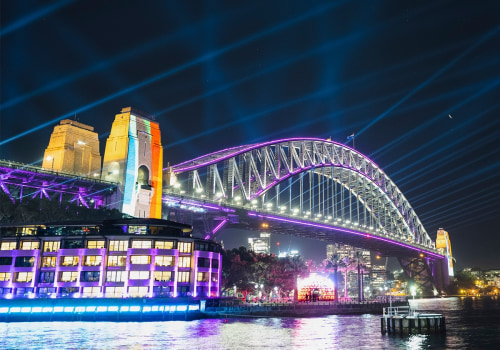
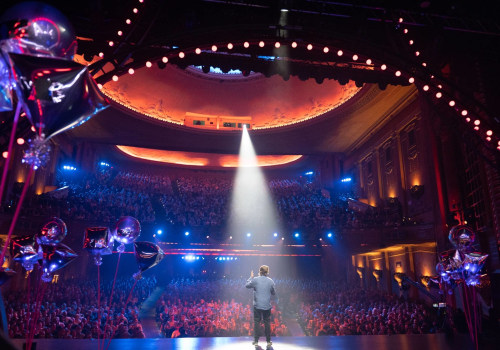
The hospitality and events sector has been particularly proactive. Event organisers and venue operators are recognising that when someone asks an AI "what festivals are on in Australia this summer," the response is shaped by what information exists on the web and how well it matches the question.
Why This Matters for the Australian Market
Australia's tourism and entertainment industries depend on discoverability. Whether someone is planning a holiday from overseas or a local looking for weekend activities near the best natural attractions, the path to discovery increasingly runs through AI.
The businesses that adapt now are building an advantage that compounds over time. AI models learn from the information available to them, and once a brand becomes established in an AI's knowledge base as a credible source for a particular topic, it becomes harder for competitors to displace.
For Australian brands across every sector, the message is straightforward: the way people find you is changing, and the ones who understand this shift early will be the ones AI recommends first.