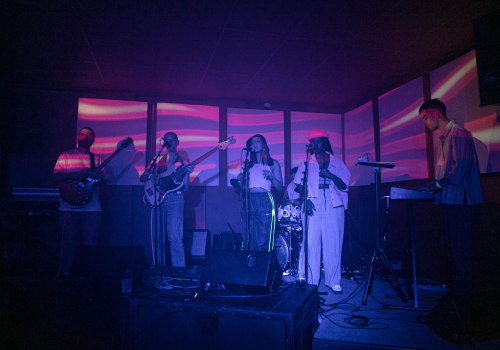
















Known affectionately these days as just 'Cutters', the profile of Melbourne-based electro-pop act Cut Copy has grown considerably since their humble 2001 beginnings.

A career borne from the bedroom of singer and band leader Dan Whitford, who also runs a graphic design business named Alter, the band are now three albums into their career. The group has also expanded to a full-time quartet, including guitarist Tim Hoey, drummer Mitchell Scott and bassist Ben Browning. Cut Copy is at the point where they can headline Australian festivals like Parklife and Laneway, play to big crowds throughout the United States and Europe, and enjoy consistently high ratings from the a raft of online tastemakers. (Including *ahem*, TheVine’s recent ‘first listen’ to the record.)

Alongside acts like The Presets and Midnight Juggernauts, the band has been instrumental in paving the way for the wider acceptance of Australian music built around synthesisers, samples, and electronica - electro-pop if you will. The new album’s title is, apparently, an instrument as well as a concept. (“We built it from scratch”, Hoey told The Music Network in November. “Whenever we were working on a track and stuck for ideas, someone would suggest it needed ‘more Zonoscope’. Then the song would truly begin to take shape.”)

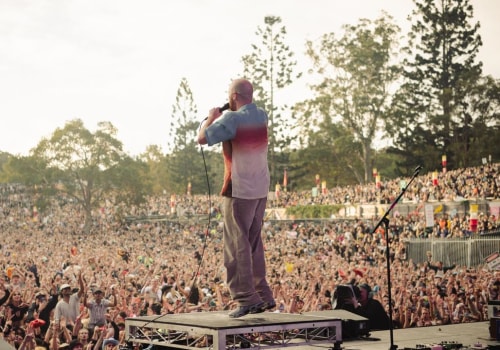
On the eve of the band's first headline appearance at the 2011 Laneway Festival in Brisbane last Thursday – coincidentally, the day before Zonoscope was released across Australia – TheVine connected with Whitford to discuss setting expectations, leaked albums, their record label, and hearty dance moves.

--

Hey, Dan. We’re talking because Zonoscope is released in Australia tomorrow. What’s on your mind?

That’s probably largely on my mind, the fact that it’s finally out tomorrow. It seemed like such a long way off for quite a long period of time since we finished it late last year, but now it’s less than 24 hours away, so we’re pretty psyched on it. And also, we start on Laneway Festival [today], so it will be the first time I get to perform a lot of these songs as well. So it’s doubly exciting.

I’m always curious about this moment for recording artists, because the four of you have been pouring your heart into this music for a long period of time, and now it’s about to be out there in the wider consciousness for people to make up their own minds about it.

I guess that’s the point of popular music, that people will hear it. All the hard work leads up to a point like this. While we’re not making records necessarily just to please our fans or anything like that; we’re motivated by our own personal goals artistically. But it’s obviously important to us what people think when they hear it, and the experience of people hearing the songs for the first time.


Cut Copy - The Making of 'Zonoscope' - Part 1

How do you go about setting expectations for the album’s chart performance and critical reception?

I guess the chart performance thing really doesn’t have a lot of relationship to us when we’re making music. Generally, I think it’s a nice by-product. It’s like if you won an award for something, it’s a nice recognition, but it’s not why you go out to create music, or create art. It’s much more about following creative goals and being personally fulfilled in trying to create something. And I guess I’ve been really happy with that side of things making this record, perhaps moreso than the last two records. For us, that’s the big deal and anything else that happens beyond that – if you get a good review or if you get a good chart position - that’s just a bonus.

Do you guys place pressure on yourselves to meet – or better – your achievements from the last album?

I think so. I guess if the thing is within our control, we do. Like just trying to improve all aspects of the way we make music. But also artists that we love; I think about the artists that I’ve followed most closely. People like David Bowie, his career, and another a good example is Talking Heads. Bands or artists that have really evolved from where they started into something very different by the end of it, and maybe moving through different styles and types of music along the way. That’s always been really interesting [in the] artists that I’ve followed. Something that I’ve always tried to do with our records, [is to] not to do the same record each time we get to the studio; I guess it’s an attempt to find a new place to occupy musically and creatively, and really explore that. Which I think we’ve done on this record.

Do you try to keep your distance from reading album reviews?

Yeah, definitely. It can be a bit distracting and if you get a good review it’s almost like narcissistic sometimes, reading how good your record is. Then if you read a bad review it kind of sends you into a spiral of self-analysis and ‘where did things go wrong’. I find generally it’s better to skim over things like that and stay focused on the next thing we’re doing, whether it’s a live performance thing or working on a new recording creatively. To me, that’s more interesting, as well.


Cut Copy - The Making of 'Zonoscope' - Part 2