







Having bloodied the noses of McDonald's and the British judicial
system with her first feature documentary,
McLibel, Franny
Armstrong moves on to bigger things in
The Age of Stupid,
an engaging and urgent attempt to make us all see sense about
climate change.
The film is a wake-up call with an elegiac tone — not
quite hectoring but pressing. It goes well beyond the arguments
about science that Al Gore tried to straighten out in
An
lnconvenient Truth. This is about human nature, greed and
personal responsibility. It aims to scare and galvanise — and
it's pretty good at both.
It's a documentary but with a clever fictional framing device.
Pete Postlethwaite plays a man looking back from 2055 atop a great
tower in the Arctic Circle. He's the archivist, looking after a
huge storage facility containing the combined knowledge and
cultural resources of the human race, gathered there before it all
went pear-shaped.
He rides around on a bicycle, like the last man on a space
station. The tower is hundreds of metres above ground. There's no
ice because the polar cap has melted. A quick fantasy montage shows
what's left of the world: London is largely under water; Vegas is
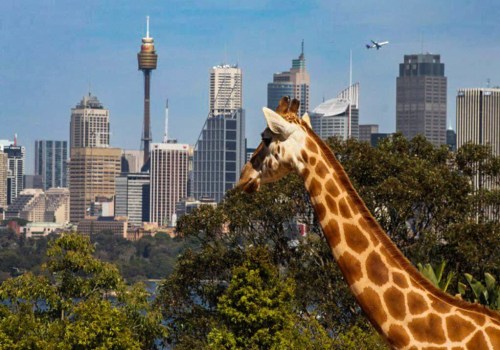
once again reclaimed by the desert; Sydney is burning and the Taj
Mahal is a ruin.
The archivist sits down at a screen and presses "record". He is
taping a final message to the future about what happened but it is
shot as though he is talking directly to us through a two-way
screen. As he talks, he reviews pieces of actuality from back "when
we could have saved ourselves".
"What state of mind were we in," he asks, "to face extinction
and simply shrug it off?"
The footage he chooses takes us into six stories, filmed in the
present day.
Armstrong initially set out to make a film about the politics of
oil and climate change. The film that finally evolved came about
after what she says was a disastrous rough-cut screening for
friends and investors in London. No one got all the subtle links
between the six true stories. Postlethwaite gives the film much
greater unity as a kind of digital shaman, revealing how we
destroyed ourselves in the early 21st century. One person calls the
last century "the age of ignorance, the age of stupid".
This is Alvin DuVernay, who, until recently, worked for Shell,
helping them find more offshore oil. DuVernay lives in New Orleans,
where he is well known because he personally rescued more than 100
people from rising waters after Hurricane Katrina. DuVernay's house
is gone but he argues persuasively that the search for oil must go
on.
In Nigeria, a young woman called Layefa Malemi shows us the
poverty of life in an oil-rich country, from which Shell derives a
decent share of its profits. She wants to study medicine; she also
wants to be rich enough "to live like an American". In the
meantime, she catches fish near an oil refinery. She washes them in
laundry powder to get the oil off.
In France, 82-year-old mountain guide Fernand Pareau takes an
English family for a hike on the Mont Blanc glacier, which has
receded 150 metres since 1955. Pareau grows his own potatoes as
trucks whizz through the Mont Blanc tunnel taking French potatoes
for processing in Italy. They will return by the same route as
potato mash for French consumers.
The English family is from Cornwall, where Piers Guy and his
wife have built a largely self-sustaining farm. Piers also builds
wind turbines to replace more costly forms of energy, except he
faces opposition at every site. People who profess a strong
commitment to fighting global warming do not want a wind turbine
destroying their views.
In India, budding tycoon Jeh Wadia works towards his dream of
establishing a low-cost airline that every Indian can afford. He
believes his purpose is to eradicate his country's poverty through
air travel. Why should rich Westerners be the only ones who can
afford to fly?
The film glides through many highly contestable arguments, some
of which are just a bit silly. Postlethwaite asks why we didn't
save ourselves when we had the chance. "Is the answer that at some
level, we didn't think we were worth saving?" That sounds like a
glib line from the pulpit rather than a useful argument.
Armstrong has more success showing the connections between
disparate problems. She's trying to come up with a theory of
everything, linking consumerism, oil, the aspirations of the Third
World and the First World's failure to take responsibility for its
energy use, all against a ticking clock.
It's not about the science any more. We are beyond that,
according to this film. We don't have years to decide to do
something radical — more like months.
- Review by Paul Byrnes for SMH
The Age of Stupid opens in Australian cinemas this Thursday (August 20).
You can view The Age of Stupid movie trailer here on TheVine.